Table of contents
Selecting the optimal car rental option at major airports can be a daunting task given the plethora of choices and varying terms. Navigating through pricing structures, location logistics, and extra fees requires a well-planned approach to avoid unnecessary hassles. Dive deeper into this article to discover essential strategies that will empower you to make the best decision for your travel needs.
Understanding airport rental locations
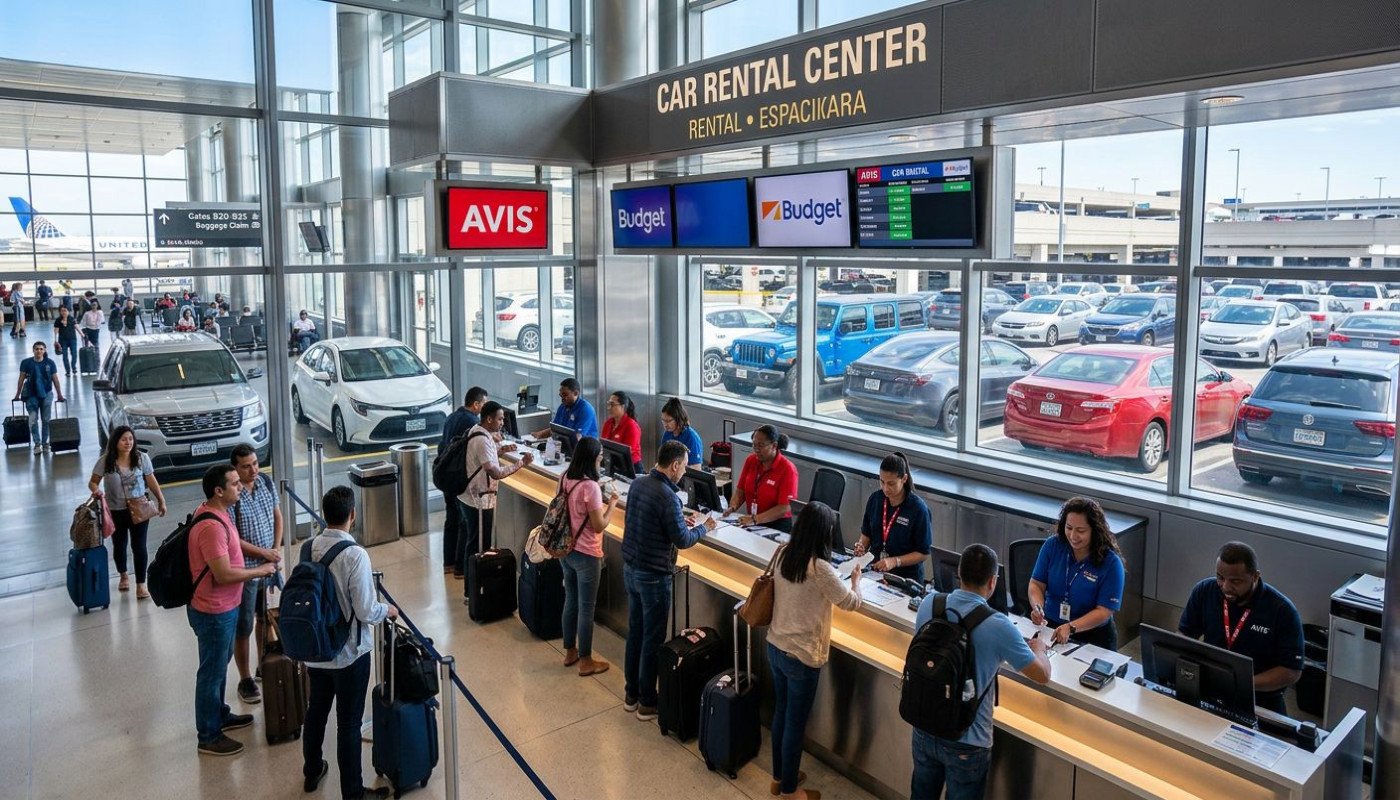
Selecting between on-site and off-site airport car rentals at major travel hubs requires careful consideration of convenience, cost, and overall efficiency. On-site rental services are typically located within the terminal or just a short walk away, offering maximum terminal proximity and immediate access to vehicles. This ease of access significantly reduces waiting times and eliminates the need for additional transportation, making it ideal for travelers with tight itineraries or heavy luggage. In contrast, off-site providers often require the use of shuttle services, which can add unpredictable waiting periods and extra travel time, potentially impacting your schedule. While off-site companies may advertise lower base rates, hidden fees such as shuttle surcharges or extended rental durations due to delayed returns can quickly offset these initial savings.
When evaluating on-site vs off-site transportation options, it's vital to assess not only the upfront rental price but also the total cost of convenience. Shuttle frequency, walking distances from terminal to rental facility, and operational hours all influence the user experience. Some airports feature consolidated rental centers accessible via dedicated transit, while others require travelers to exit the terminal and wait for third-party shuttles, sometimes in exposed or crowded areas. These logistical nuances become particularly relevant for those arriving late at night, with mobility concerns, or traveling with children. The presence or absence of hidden fees—such as airport access charges, insurance add-ons, or mandatory fuel options—can further complicate budgeting for airport car rentals.
Terminal proximity is a decisive factor in optimizing both time and comfort, especially at high-traffic international destinations. For instance, travelers seeking car hire Casablanca airport benefit from the ability to pre-arrange vehicles that are ready for immediate pick-up within the airport premises, minimizing delays after long flights. Understanding the layout and transportation options at your arrival airport helps ensure a seamless transition from air travel to road journey, balancing convenience with cost-effectiveness. When comparing providers, read the terms carefully and factor in the entire rental process, from pick-up logistics to return procedures, to avoid unpleasant surprises and maximize value.
Understanding hidden costs and rental policy differences at airport car rentals
Variance among providers can lead to significant differences in cost and convenience, even when initial rates appear similar. This is especially true at busy international hubs such as Casablanca Mohammed V Airport, where demand, airport surcharges, and operational policies can vary widely between rental companies.
Pay close attention to mileage limits, as some companies offer unlimited miles while others impose strict caps, potentially resulting in additional fees if exceeded. Fuel charges should also be reviewed; agencies may require vehicles to be returned with a full tank, offer prepaid fuel options, or charge premium rates for refueling.
Airport fees, often bundled into the contract, can dramatically affect the overall price and are sometimes less visible in advertised rates. This is particularly relevant for travelers choosing car hire Casablanca airport services, where such fees are commonly applied due to the airport location.
Additionally, the cancellation policy varies widely—some companies provide free changes up to a set period before pickup, while others impose stiff penalties for last-minute alterations or no-shows. Policy variance in these areas is often the deciding factor in selecting the optimal rental, emphasizing the need for travelers to read the fine print and compare each provider’s complete set of terms before booking.
Evaluating car rental insurance
When renting a vehicle at the airport, it is vital to thoroughly review the coverage inclusions provided by different car rental insurance options. This is particularly important at high-traffic locations such as Casablanca airport, where international and local providers may offer different levels of protection.
This overview includes collision damage waiver, liability protection, airport insurance, and excess waiver policies. Collision damage waiver typically covers repair costs if the car is damaged, while liability protection addresses third-party injury or property damage.
Many rental agencies offer airport insurance packages that bundle these protections, but the specifics can vary widely. Understanding the details of coverage inclusions helps travelers avoid hidden costs and ensures that no unnecessary expenses arise from duplicated or inadequate protection.
For those concerned about financial risk, opting for an excess waiver can further limit out-of-pocket liabilities in the event of an incident, offering peace of mind throughout the rental period—especially when driving in unfamiliar environments such as Morocco.
It is strongly advised to compare the terms of car rental insurance before making any decision at major airports, including Casablanca Mohammed V Airport, since certain credit cards or personal auto policies may already provide suitable coverage.
Booking strategies for best rates
Securing the best car rental rates at major airports often depends on a combination of advanced booking, savvy use of rental discounts, and careful price comparison. This applies directly to travelers planning car hire Casablanca airport, where prices can fluctuate significantly depending on seasonality and demand.
By reserving a vehicle well ahead of travel dates, travelers can access a wider selection of vehicles and benefit from lower airport deals before prices surge. This is largely due to dynamic pricing, a technical term describing how rental companies adjust rates in real time based on demand, fleet availability, and booking timing.
Monitoring price fluctuations enables flexible travelers to spot rate drops and make reservations when costs are lowest. Applying loyalty programs, coupon codes, or memberships adds another layer of potential savings, as many providers offer exclusive rental discounts to returning or affiliated customers.
In summary, a strategic combination of planning, flexibility, and awareness of dynamic pricing trends delivers the most value when booking at busy airport locations such as Casablanca.
Assessing vehicle selection and upgrades
When arriving at a major airport, understanding vehicle selection is key to securing the ideal rental experience. At locations like Casablanca Mohammed V Airport, fleet availability tends to be broader than in city agencies, offering a wide array of rental categories from compact cars and SUVs to luxury sedans and specialty vehicles.
Travelers should consider both comfort options and budget parameters, as airport fleets often provide car upgrades either through loyalty perks or for a modest fee. Selecting the proper vehicle category is pivotal: solo business travelers might prioritize fuel efficiency and easy maneuverability, whereas families or groups could value space and enhanced comfort options from larger models.
Weighing car upgrades against initial reservations allows renters to adapt to changing needs, such as weather conditions, travel distance, or luggage requirements, without overspending.
Comparing fleet availability across providers ensures access to precisely the right vehicle for each travel scenario, optimizing both convenience and cost—particularly when renting at a major gateway like Casablanca airport.
Similar articles

Unveiling the Mystery of the Self-Driving Car Evolution

Revolutionizing Mobility: The Rise of Electric Cars

Electric Cars vs Traditional Automobiles: A Silent Revolution

Unveiling the Future: Electric Cars and Sustainability

Unveiling the Future of Electric Cars

Unveiling the Future: The Rise of Electric Sports Cars
